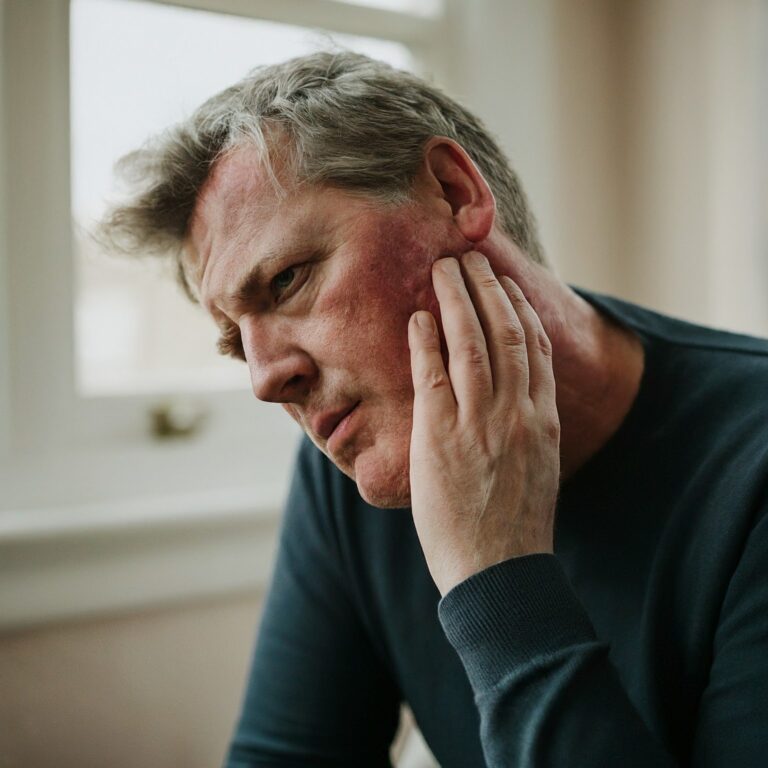

Coping with Emotional Stress During a Separation

A separation can be one of the most stressful and emotionally challenging experiences in a person’s life. The process of separating from a partner can trigger a wide range of intense emotions, such as sadness, anger, confusion and anxiety.
In this article, we will explore how to cope with emotional stress during a separation, focusing on the role that techniques such as mindfulness, meditation and conscious breathing can play in helping to manage these emotions in a healthy and constructive way.
Effects of stress during separation
Stress during separation can manifest itself in a variety of ways, affecting both mental and physical health. People may experience symptoms of anxiety, such as constant worry, difficulty sleeping and changes in appetite. In addition, emotional stress can also have impacts on the body, such as headaches, muscle tension and gastrointestinal problems. These effects of stress can hinder the separation process and affect the quality of life of those experiencing it.
Mindfulness as a coping tool
Mindfulness is a technique that can be helpful in coping with emotional stress during a separation. By practising mindfulness, people learn to be present in the present moment, to accept their emotions without judgement and to respond more calmly to difficult situations. This enables them to manage stress more effectively, reduce anxiety and improve their overall emotional well-being.
Meditation to cultivate calm and clarity of mind
Meditation is another valuable tool for coping with emotional stress during a separation. By taking time to meditate regularly, people can cultivate inner calm, improve mental clarity and reduce emotional reactivity. Meditation also helps to develop greater self-compassion and self-understanding, which is essential for overcoming the emotional challenges of separation.
Conscious breathing to reduce anxiety
Mindful breathing, or the practice of breathing deeply and consciously, is a simple but powerful technique for reducing anxiety during a separation. By focusing on the breath and bringing attention to the present moment, people can calm their nervous system, reduce stress activation and find a sense of inner balance and calm. Mindful breathing is especially helpful at times of high emotional intensity during the separation process.