Stress and Anxiety: How Prolonged Isolation Can Affect Your Emotional State
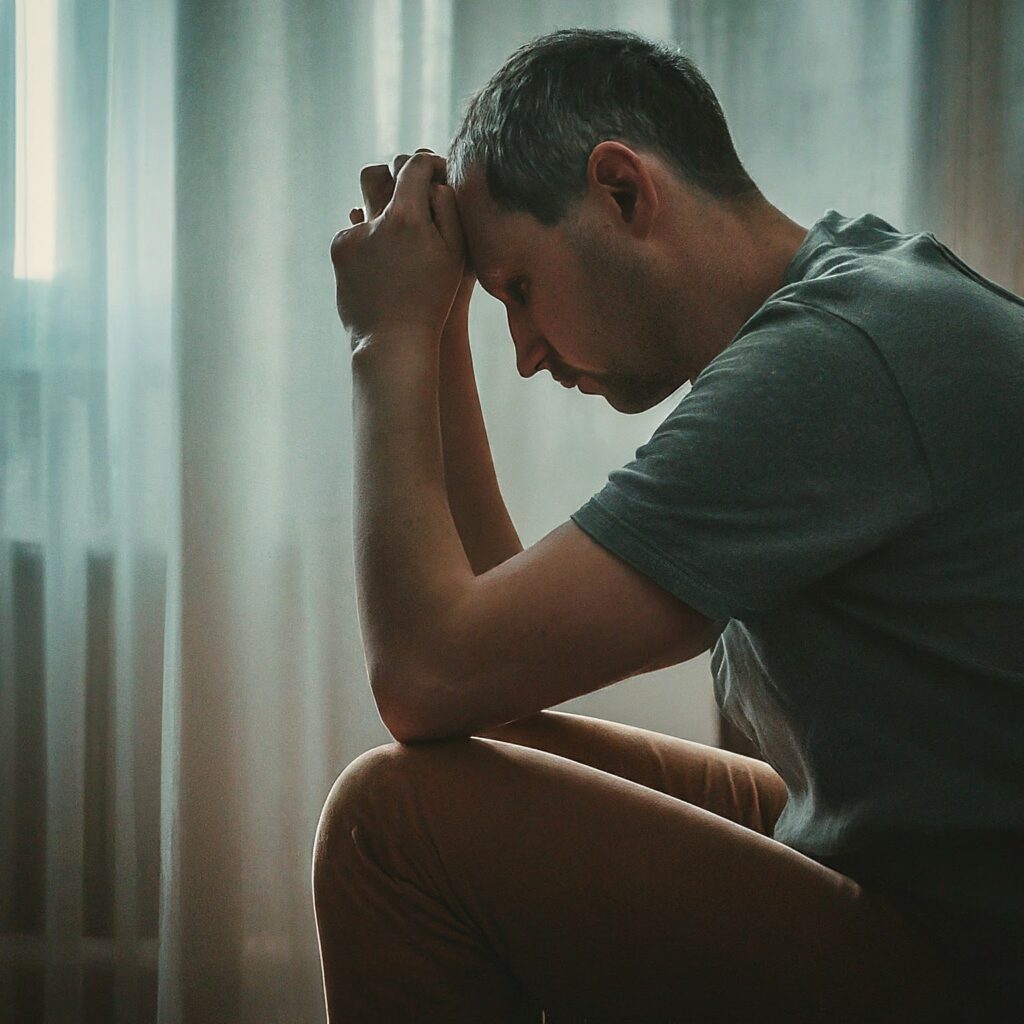
Prolonged isolation, especially in crisis or emergency situations, can have a profound impact on people’s emotional state, leading to high levels of stress and anxiety.
This article will focus on exploring in detail how prolonged isolation can affect your emotional state, focusing specifically on the effects of stress and anxiety, and offering mindfulness, meditation and mindful breathing techniques to help you manage these situations.
Effects of stress during isolation
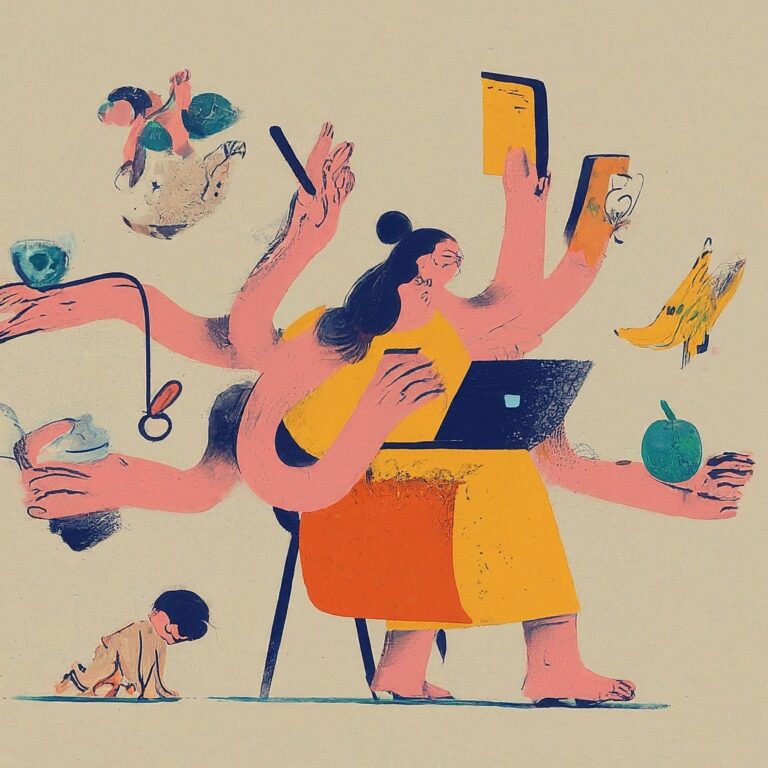
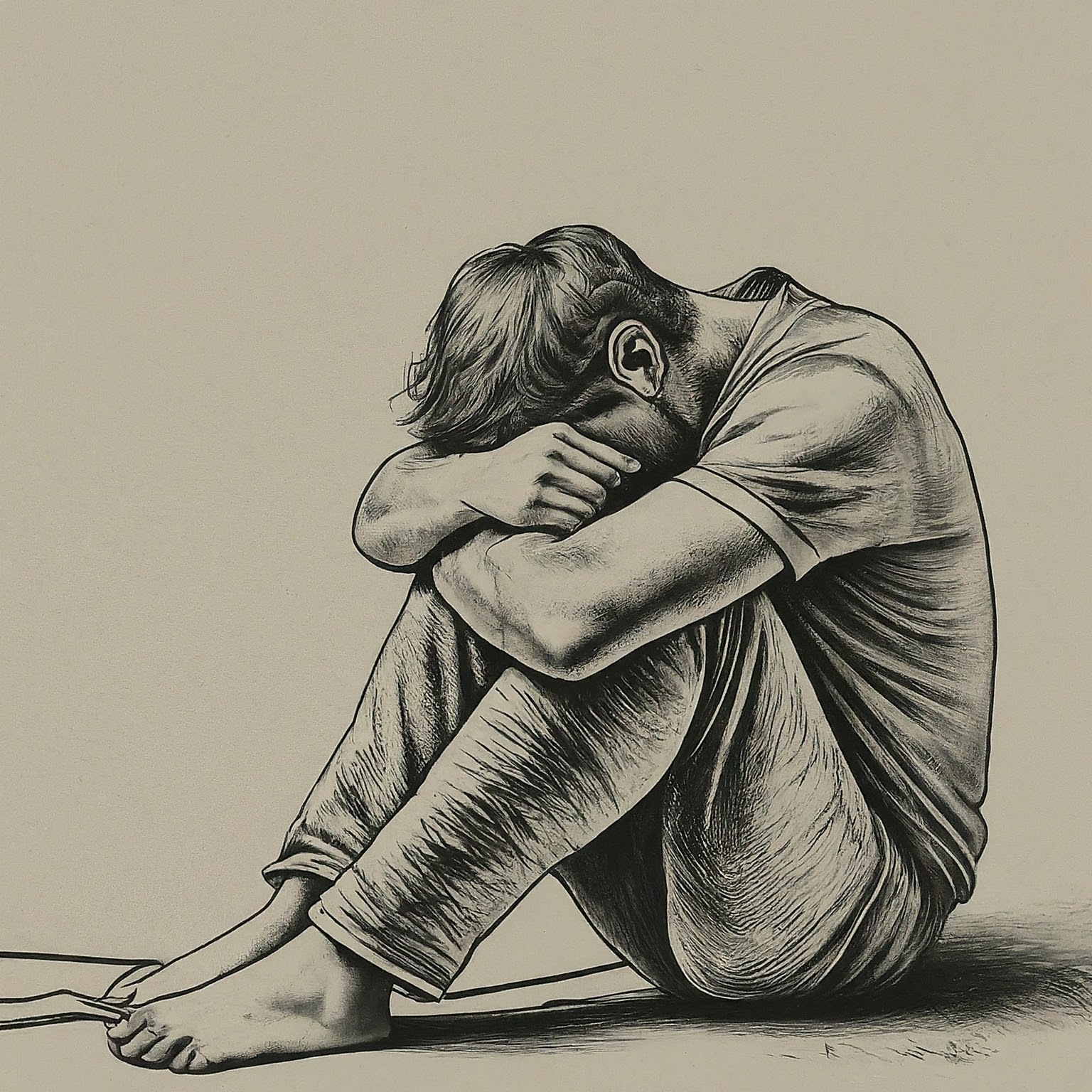
Stress is a natural response of the body to situations perceived as threatening or challenging. During a prolonged period of isolation, stress can manifest itself in a variety of physical and emotional symptoms, such as muscle tension, insomnia, irritability, constant worrying and mood swings. These effects can contribute significantly to the emotional burden you experience during isolation, impacting your overall well-being and quality of life.
Mindfulness and meditation to reduce stress and anxiety
Mindfulness and meditation are effective practices for reducing stress and anxiety during prolonged isolation. By practising mindfulness, you learn to focus on the present moment consciously, without judging your thoughts or emotions. This helps you develop a greater awareness of your mental and emotional state, which in turn allows you to respond in a calmer and more balanced way to the stresses of isolation. Meditation, on the other hand, gives you the opportunity to calm the mind, reduce activation of the sympathetic nervous system and cultivate a sense of inner peace.
Conscious breathing and pranayama to calm anxiety
Mindful breathing and pranayama techniques are valuable tools for calming anxiety and stress during prolonged isolation. By practising deep, conscious breathing, you can slow your heart rate, lower your blood pressure and stimulate the body’s relaxation response. This contributes to a state of calm and relaxation, counteracting the negative effects of stress and anxiety. Pranayama, a breathing practice in the yoga tradition, can also be beneficial for centring the mind and finding serenity in times of emotional turmoil.
Promoting emotional well-being during isolation
In addition to practising mindfulness, meditation and mindful breathing techniques, it is crucial to adopt other strategies to promote emotional well-being during prolonged isolation. These include maintaining a structured daily routine, establishing virtual connections with friends and loved ones, engaging in activities that bring you joy and satisfaction, and seeking professional support if symptoms of stress and anxiety are overwhelming. By integrating these strategies into your daily life, you can strengthen your ability to cope with the challenges of isolation and maintain a more balanced and healthy emotional state.