
How to find calm and well-being at every stage of life?
Discover our programme:
Mindfulness for Older Adults
Mindfulness is the practice of being present and aware of your thoughts and emotions, which allows you to better manage your feelings and improve your daily attention and well-being.
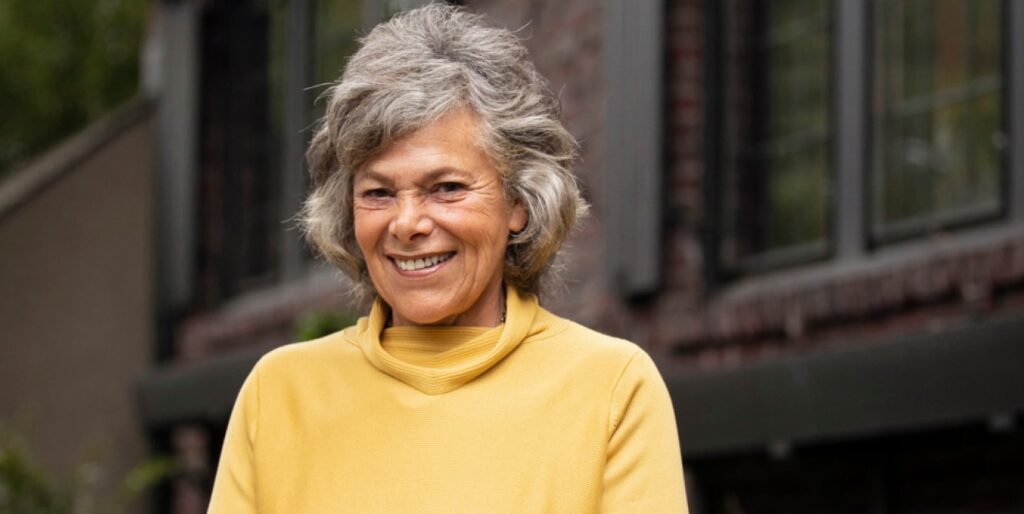
Dr. Ellen Langer
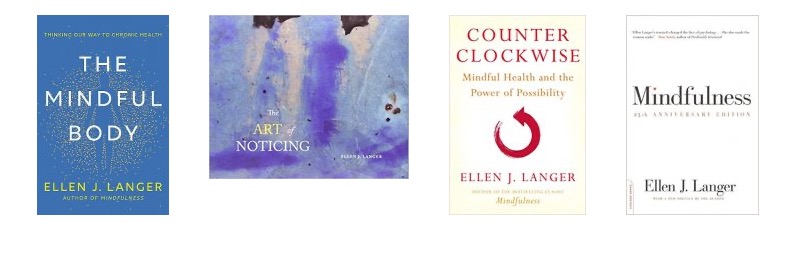
Founder of“The Mindful Aging” programme and author of several books on Mindful Aging.

Fred Giraud
Facilitator, Certified Mindfulness & Meditation Instructor




Our mindfulness course for seniors is based on the innovative methodologies of Dr. Ellen Langer and Jon Kabat-Zinn, leaders in the field of mindfulness.
Dr. Langer emphasises the importance of being aware of our choices and how we perceive ourselves and the world. Her approach highlights the ability of older people to reinvent their reality and remain active during the ageing process.
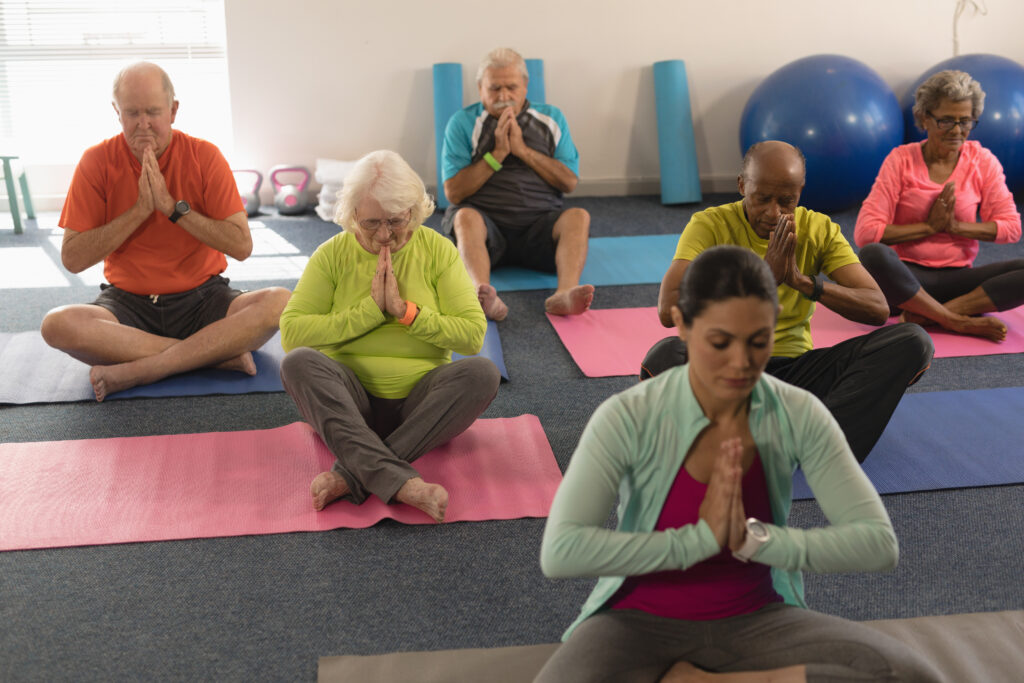
Mindfulness Course for Seniors – Face-to-Face (Valencia)
Benefits of mindfulness for older people
Mindfulness offers great benefits for the emotional and mental well-being of older adults.
Stress and anxiety reduction
Mindfulness allows older people to focus on the present, which reduces stress related to worries about the future or the past.
Improving mental health
Mindfulness can reduce symptoms of depression and improve emotional stability, which is crucial at a time when personal losses or physical changes can lead to psychological distress.
Cognitive enhancement
Practising mindfulness promotes attention and concentration, helping to preserve memory and other cognitive functions, which is essential to combat age-related cognitive decline.
Improved quality of life
Mindfulness teaches enjoyment of the present, which can be especially beneficial for those facing chronic illnesses or conditions that limit their autonomy.
Building emotional resilience
Older adults who practice mindfulness are better able to adapt to the physical and emotional changes of ageing, such as retirement or bereavement, strengthening their ability to cope.
Improved sleep
Mindfulness can help combat insomnia and improve sleep quality. Mindfulness techniques teach you to relax and let go of worries, which facilitates a more restful sleep.
Improving self-care
Mindfulness teaches older adults to become more aware of their physical and emotional needs, enabling them to take better care of themselves, paying attention to their overall health and well-being.
Chronic pain reduction
Studies have shown that mindfulness helps reduce the perception of pain in older people with chronic conditions, such as arthritis. By practising mindfulness, patients can change their relationship with pain, making it more manageable.
Increased mobility
The combination of mindfulness and gentle exercise, such as mindful yoga, can improve flexibility and balance, which reduces the risk of falls and improves overall mobility.
Social connection
Participating in group mindfulness programmes encourages social interaction among the elderly, which is essential for combating loneliness and improving emotional well-being.