

Burnout in Health Professionals: How to Care for Those Who Care

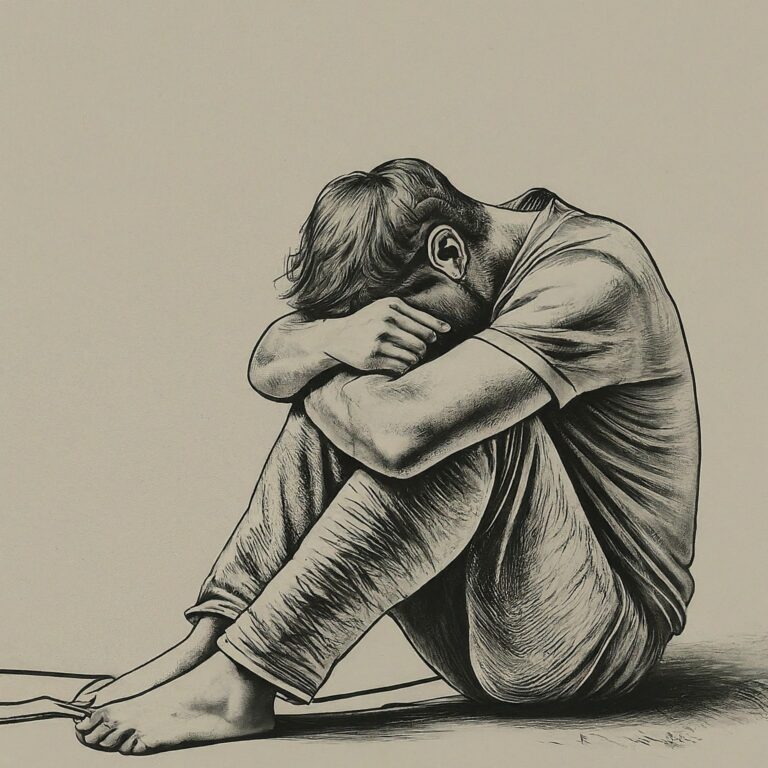
Burnout is a common phenomenon among health professionals, characterised by emotional exhaustion, depersonalisation and a sense of lack of achievement. This state of chronic burnout can have devastating effects on the physical and mental health of health professionals, affecting their ability to provide quality care to their patients.
In this article, we will explore how mindfulness and other techniques can play a crucial role in caring for caregivers, helping them to manage stress and promoting their holistic well-being.
Effects of stress on health professionals
Stress is one of the main causes of burnout in healthcare professionals. Constant pressure, long working hours, exposure to emotionally challenging situations and the responsibility of making critical decisions can lead to a high level of stress in the field. This prolonged stress can lead to emotional exhaustion, disengagement from work and decreased quality of care.
The role of mindfulness in caring for caregivers
Mindfulness, with its techniques of mindfulness and non-judgmental acceptance, can be an invaluable tool for healthcare professionals experiencing burnout. By practising mindfulness, they can learn to manage stress more effectively, cultivate emotional resilience and improve their ability to provide compassionate, patient-centred care. Mindfulness also helps them reconnect with their purpose in the medical profession and maintain a balanced perspective in the midst of daily challenges.
Benefits of meditation and conscious breathing
In addition to mindfulness, meditation and mindful breathing are complementary techniques that can contribute significantly to caregiving. Meditation helps to calm the mind, reduce mental rumination and improve concentration, allowing health professionals to recharge and maintain mental clarity in the midst of work demands. Mindful breathing, on the other hand, is a simple but effective tool for reducing immediate stress, promoting relaxation and restoring emotional balance during intense situations.
Self-care as a priority
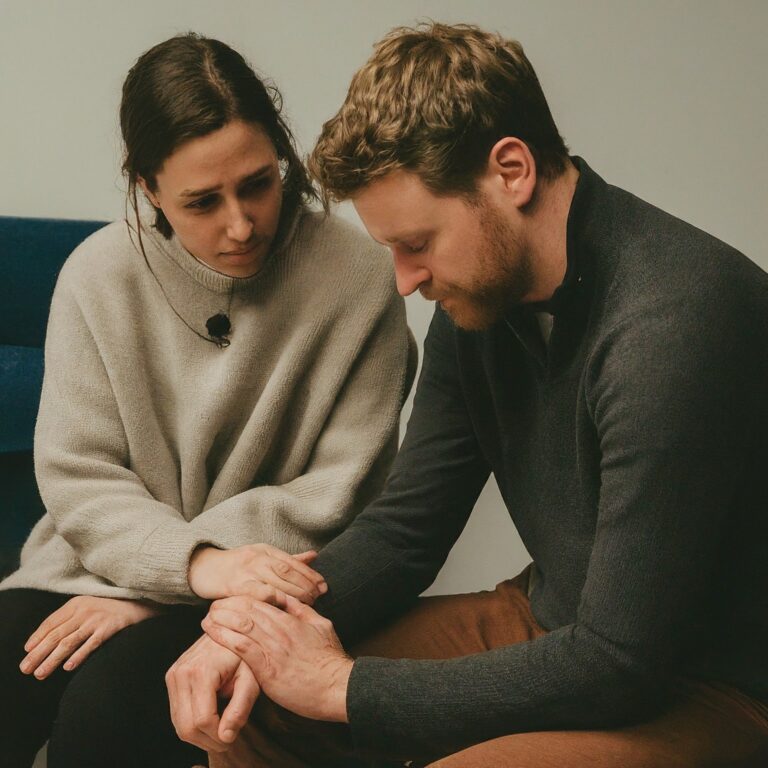
Finally, it is essential that health professionals prioritise self-care as an integral part of their practice. This includes setting healthy boundaries, seeking emotional support when needed, maintaining a physical exercise routine, eating a balanced diet, and making regular time for activities that promote relaxation and wellbeing. By taking care of themselves, health professionals can be better able to care for others effectively and compassionately.




 and then