
Have you been diagnosed with cancer, are you in treatment, remission, or facing a relapse?

  • Are you ready to make positive changes in your life and discover healthy ways to manage cancer and its associated challenges?
  • Are you interested in learning effective techniques to reduce stress, manage physical pain and improve your emotional well-being during cancer treatment?

Discover our MBCR programme:
Mindfulness-Based Cancer Recovery

Based on theMindfulness-Based Cancer Recovery (MBCR) programme developed by Dr. Linda Carlson of the Cumming School of Medicine at the University of Calgary, this adaptation represents a holistic approach to the fight against cancer.

In partnership with:
Cancer 1

Dr. Linda Carlson

Co-founder of the MBCR programme

Cancer 2

Frederic Giraud

Certified MBCR Facilitator

Cancer 12

Dr. Michael Speca

Co-founder of the MBCR programme

The only Mindfulness programme dedicated to cancer in the Spanish language, the MBCR is facilitated by Frederic Giraud, who personally faced an aggressive lymphoma.

Trained by Drs. Carlson and Speca, their expertise enriches this programme by offering a unique and deeply empathetic perspective for those seeking support during their cancer recovery process.

Choose the modality that best suits you and start your journey towards a more balanced and conscious life today with the Mindfulness-Based Cancer Recovery Programme.

Cancer 13
  • Unique and exclusive programme based on the official MBCR programme of Drs Carlson and Speca – University of Calgary
Mindfulness-Based Cancer Recovery

9-week MBCR Programme – online Tutoring

  • Duration: 9 weeks without timetable
  • Comprehensive 70-hourprogramme (including home practice)
  • Access to more than 120 videos and 12 recordings of exercises and meditations.
  • 100-page comprehensive learning and practice guide
  • More than 8 hours of video tutorials
  • 6 months access to downloadable resources
  • Certificate of Completion

Cancer 14
  • Unique and exclusive programme based on the official MBCR programme of Drs Carlson and Speca – University of Calgary
Mindfulness-Based Cancer Recovery

MBCR Programme 9 weeks – online with weekly session
  • Duration: 9 weeks
  • 2.5 hour weekly group webinars led by our certified trainers
  • Comprehensive 70-hourprogramme (including home practice)
  • Access to more than 120 videos and 12 recordings of exercises and meditations.
  • 100-page comprehensive learning and practice guide
  • More than 8 hours of video tutorials
  • 6 months access to downloadable resources
  • Certificate of Completion
Cancer 15
  • Advantages: Face-to-face learning experience , direct interaction with the instructor and other participants.
Mindfulness-Based Cancer Recovery

Face-to-face mode

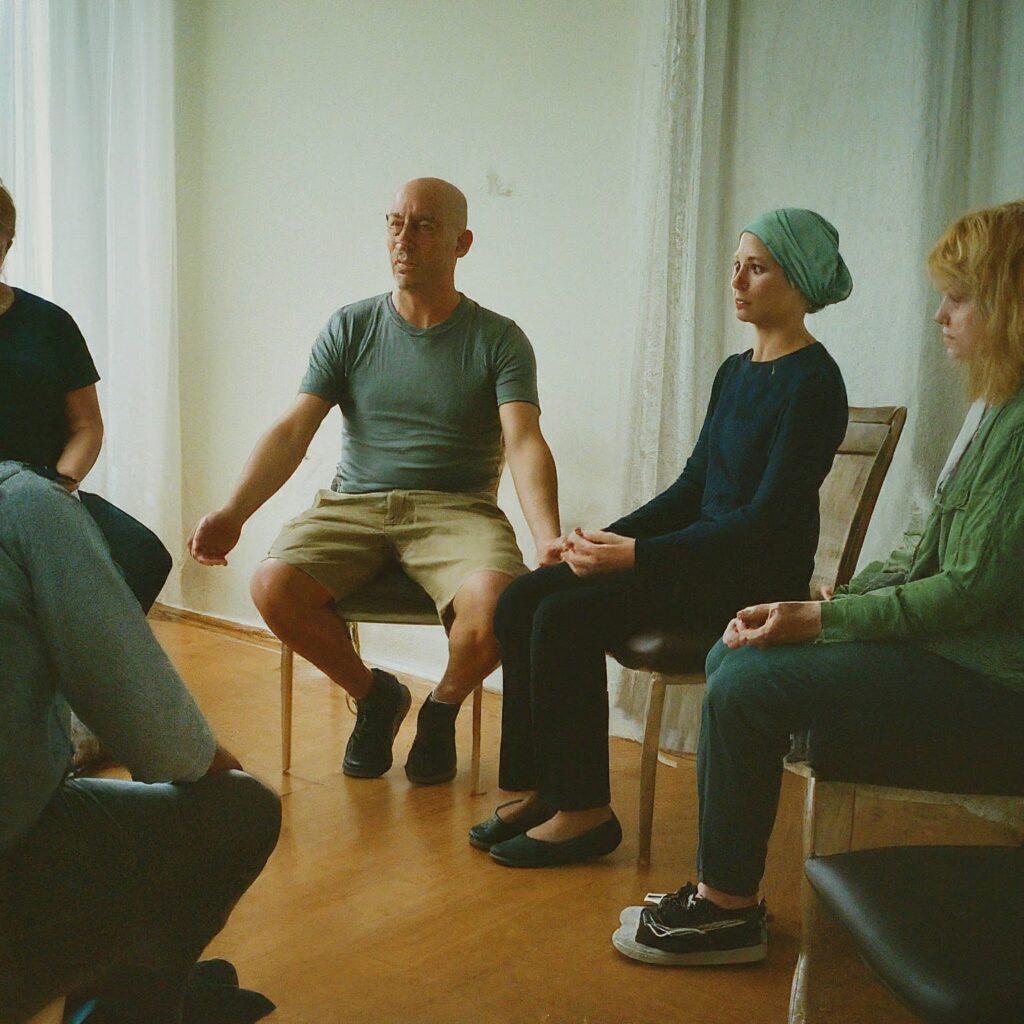
  • MBCR face-to-face sessions provide an immersive experience under the direct guidance of an instructor, offering a safe and supportive space for those affected by cancer.
  • During these sessions, participants practice mindfulness in groups, engage in meaningful discussions and receive personalised feedback, which can help manage stress and promote emotional well-being during the cancer treatment and recovery process.
  • It offers the opportunity to connect with others in person and share cancer-related experiences, creating a sense of community and mutual support that can be especially beneficial for those facing similar challenges.
  • Valuable option for those seeking deeper learning and direct interaction with the instructor and other participants as they navigate their cancer journey.
Cancer 16
  • Advantages: Individual sessions adapted to your specific needs, personal attention from the instructor.
Mindfulness-Based Cancer Recovery

1-to-1 Personalised Coaching Modality

  • 1-to-1 Coaching” offers an individualised experience tailored to the specific needs of each participant.
  • In this modality, you work directly with a MindCoachers certified mindfulness coach who guides you through the MBCR programme in a personalised way.
  • Coaching sessions provide a safe and supportive space to explore your mindfulness practice, identify challenges and set personalised goals.
  • Your coach provides guidance, feedback and practical tools to integrate mindfulness into your daily life effectively, taking into account the unique challenges you face as a cancer patient or caregiver.
  • This modality is ideal for those who want individualised attention, closer monitoring and a deeper focus in their mindfulness practice.

Benefits of Mindfulness for Cancer

The practice of mindfulness helps to improve several of the disorders and side effects associated with cancer, chemotherapy and radiotherapy.

Did you know?

Fatigue

Mindfulness helps reduce fatigue in cancer patients by improving sleep quality, increasing energy levels and promoting muscle relaxation, which contributes to greater vitality and well-being during cancer treatment.

Nausea and vomiting

Studies suggest that mindfulness may help reduce nausea and vomiting in cancer patients by reducing anxiety, improving the ability to manage unpleasant bodily sensations and fostering an accepting attitude towards adverse physical experiences during treatment.

Sleep problems

Mindfulness practice improves sleep quality in cancer patients by reducing stress, calming the mind and promoting healthy sleep habits, resulting in a more restful and refreshing sleep during treatment and recovery.

Pain

Mindfulness helps reduce the perception of pain in cancer patients by changing the way pain is processed and responded to in the brain. By encouraging muscle relaxation and acceptance of painful sensations, it improves quality of life in those with chronic pain related to disease or treatment.

Anxiety and depression

Mindfulness is effective in reducing symptoms of anxiety and depression in people with cancer by promoting greater awareness of the present moment, improving emotional regulation and cultivating an attitude of acceptance and compassion towards oneself, leading to a significant improvement in mental and emotional health during the treatment process.

memory and concentration problems (mental fog)

Mindfulness practice improves cognitive function in cancer patients by reducing mental rumination, increasing mental clarity and improving the ability to concentrate, which benefits those experiencing mental fogginess due to treatment or illness.

Emotional and social problems

Mindfulness reduces emotional stress and improves mental health in cancer patients by promoting greater self-awareness, more effective management of emotions and greater connection with others, strengthening social relationships and emotional well-being during treatment and recovery.

Post-traumatic stress reduction

By cultivating mindful awareness of the present moment and developing skills to manage difficult emotions, mindfulness can help reduce post-traumatic stress symptoms in patients who have experienced traumatic events related to their cancer diagnosis and treatment.

Skin problems (irritation, dryness, itching)

Mindfulness practice reduces feelings of discomfort associated with skin problems in cancer patients by promoting acceptance of bodily sensations and relaxation, alleviating discomfort and improving skin quality of life during treatment and recovery.

Questions? Doubts?

The Mindfulness-Based Cancer Recovery Programme MBCR is a programme designed specifically for people coping with cancer and its emotional and physical effects. It combines mindfulness techniques, meditation and group support to help manage stress and improve quality of life during cancer treatment and recovery.

The Mindfulness-Based Cancer Recovery Programme MBCR provides practical tools to manage the stress, anxiety and fear associated with cancer and its treatment. It can also help improve sleep quality, reduce depression and promote greater emotional and physical well-being.

The MBCR Mindfulness-Based Cancer Recovery Programme can be beneficial at any stage of cancer, from diagnosis through to recovery, remission or even relapse. It can be tailored to each person’s individual needs and circumstances.

The MBCR Mindfulness-Based Cancer Recovery Support Programme is designed for people facing cancer, as well as for family members, caregivers and friends who wish to support their loved ones during this difficult time.

No, the MBCR Mindfulness-Based Cancer Recovery Programme is open to people of all levels of experience. Sessions are designed to be accessible and tailored to the individual needs of participants.

The MBCR Mindfulness-Based Cancer Recovery Programme sessions can be face-to-face or virtual, depending on location and individual circumstances. They usually include guided mindfulness practices, group discussions and practical exercises to integrate the teachings into daily life.

The MBCR Mindfulness-Based Cancer Recovery Programme was developed by Dr. Linda Carlson of the Cumming School of Medicine at the University of Calgary, and has been translated and adapted by Fred Giraud, who has incorporated his own personal experience with cancer into the design of the programme.

Dr. Linda Carlson, creator of the Mindfulness-Based Cancer Recovery (MBCR) programme, is a renowned researcher with extensive experience in the field of oncology and mental health. Throughout her career, she has conducted numerous scientific studies focused on understanding and addressing the unique challenges faced by people with cancer.

Her research has deeply explored the impact of cancer on patients’ quality of life, emotional wellbeing and physical health. She has examined how stress, anxiety and depression can affect the cancer experience and how mindfulness-based interventions can offer support and relief to people in this process.

Dr Carlson’s studies have consistently demonstrated the benefits of mindfulness for cancer patients, including a significant reduction in stress, improved quality of life, greater emotional resilience and better management of symptoms associated with the disease and its treatment.

Its evidence-based approach and commitment to research have contributed significantly to the development and validation of MBCR as an effective intervention to help people with cancer improve their overall wellbeing and their ability to cope with the challenges of the disease.

Read more about the scientific evidence

No, under no circumstances does the Mindfulness-Based Cancer Recovery Programme replace traditional medical treatment for cancer. It is a complement to medical treatment and can help improve quality of life during the treatment and recovery process.

It is important to note that mindfulness does not replace conventional medical treatment.