
Master the MCMI Standard:
The Peer-to-Peer Workshop System
Stop observing mindfulness and start facilitating it from Week 1.
While others teach theory, we build teachers. Master the craft in high-trust, small groups with structured peer review and expert guidance.
Why the MCMI Workshop System Transforms Your Teaching
Skip the theory and start leading. In our IMTA-accredited training, you don’t just watch—you embody the MCMI standard. Facilitate real practices every week, receive expert-validated feedback, and master the ACT-integrated methodology in a safe, high-trust environment.
Active Practice Every Week
You don’t learn to swim by watching YouTube videos. You learn by getting in the water.
Our MCMI curriculum ensures you guide real meditations every single week—not in Month 11, not after you’ve “mastered the theory,” but from Week 1. Each workshop features a dedicated breakout circuit where YOU lead the practice. You’ll guide sitting meditations, body scans, and trauma-aware safety anchors—experiencing exactly what it feels like to hold space for others.
➤ By Week 12, lead-teaching will feel like second nature. You’ll graduate with your MCMI credential and more consistent, hands-on experience than most programs provide in a full year.
Immediate, Structured Feedback
Generic praise doesn’t improve teaching. Precision MCMI rubrics do.
After each workshop, you’ll receive targeted reviews focused on the core competencies required for MCMI certification. For example:
➤ Workshop 2: Clarity of ACT analogies and values-based language.
➤ Workshop 7: Application of trauma-aware choice and grounding anchors.
➤ Workshop 11: Professional boundaries and ethical scope of practice.
Every session uses a precision rubric to focus attention on 3–5 key dimensions. You’ll receive feedback from 3–4 trained peers, with expert faculty sampling to ensure rigorous quality control. This isn’t vague encouragement—it’s actionable data that accelerates your growth toward IMTA professional standards.
Safe Container, Not Performance Stage
Teaching others is vulnerable. We’ve designed the MCMI pathway to minimize anxiety and maximize growth.
➤ High-Trust Groups: You’ll practice in small groups (3–4 students), building deep familiarity over 12 weeks.
➤ No Live Judgment: Your MCMI assessment happens later. During workshops, you receive only verbal encouragement—no rubrics or grades in the room.
➤ Progressive Complexity: We move from simple reflection in Week 1 to full MCMI & IMTA integration in Week 12. You’ll be ready when you get there.
Vulnerability is normalized here. Every student is learning and every “mistake” is simply a skill developing on your way to becoming a Certified Instructor.
Experience the methodology before you commit — free, 20 minutes.
Watch Frédéric explain exactly how we build teaching competence from Week 1.
How the Workshop System Works: Step-by-Step
Each of the 12 workshops follows the same proven structure: Introduction & Modeling (30 min), Breakout Practice (60 min), and Debrief & Setup (30 min). Here’s exactly what happens.
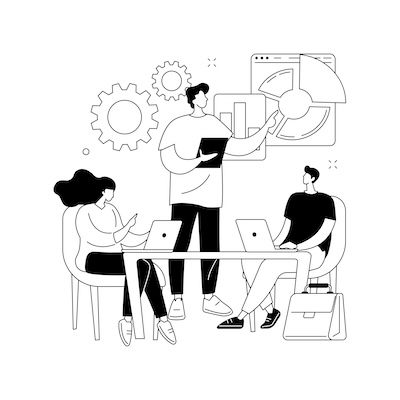
The instructor doesn’t just tell you how to guide a practice—they show you.
➤ What Happens:
• Instructor demonstrates a short practice with live meta-commentary, explaining why they made specific choices
• Reviews the rubric for that specific workshop so you know exactly what peers will be evaluating
• Clarifies recording and submission expectations
➤ Why It Matters:
You’re not guessing what “good teaching” looks like. You see it modeled with transparency. The instructor’s meta-commentary bridges the gap between conceptual knowledge and practical execution.
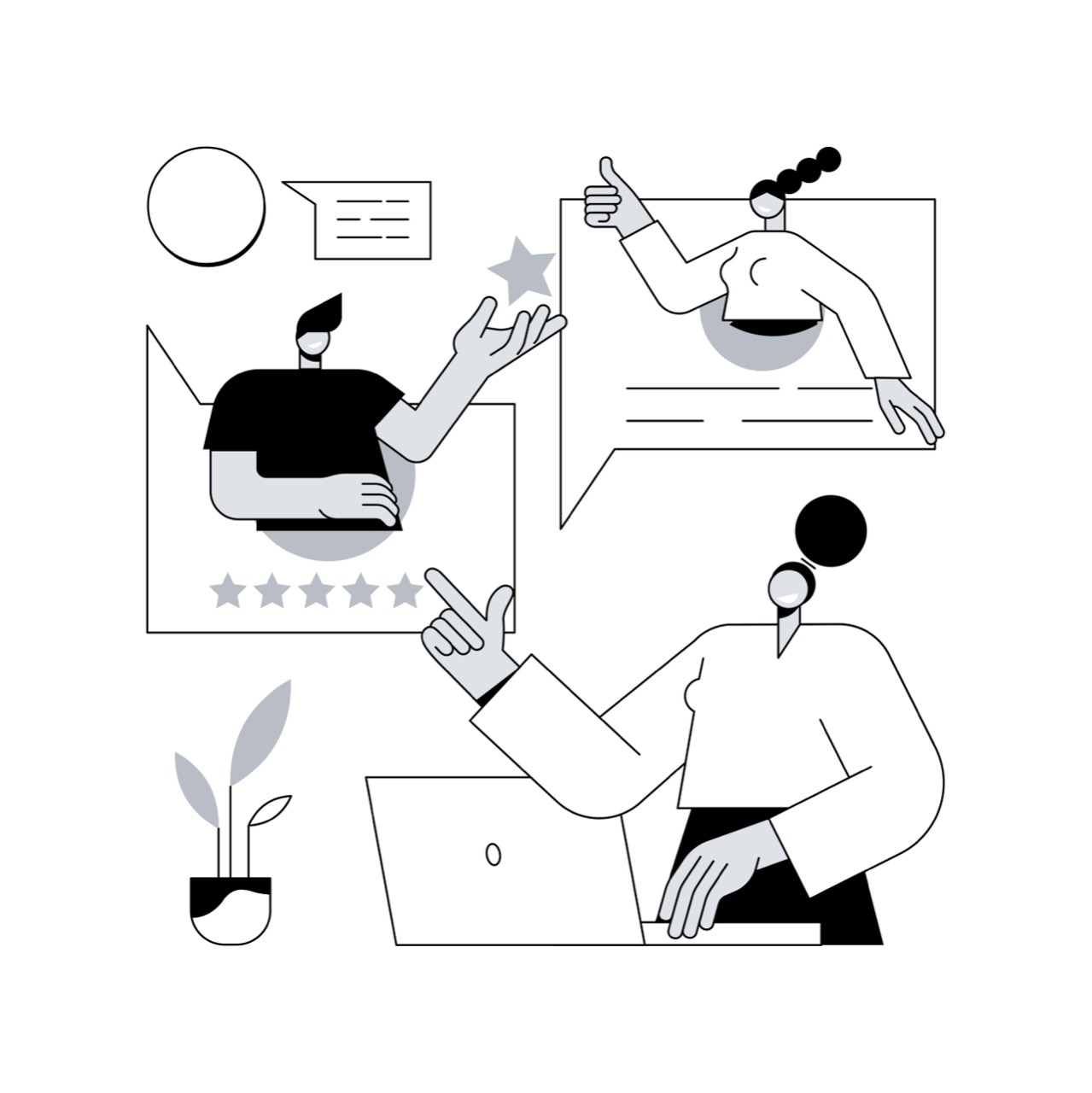
This is where learning happens. You teach. Your peers experience. You receive feedback.
The 3-Role Rotation:
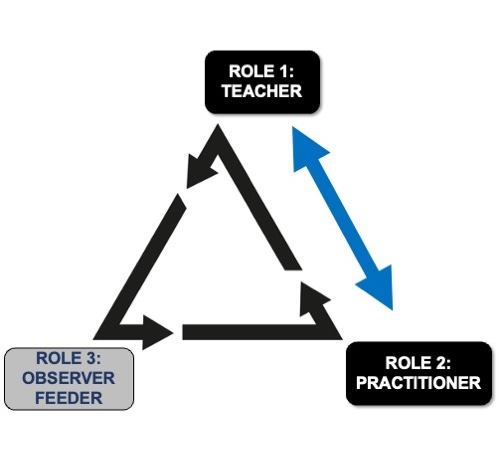
Breakout rooms of 3-4 students. Everyone rotates through three roles:
➤ ROLE 1: TEACHER
You guide a short practice. Your goal is to embody the skills taught in that week’s module—presence, clarity, compassion, trauma-sensitivity.
➤ ROLE 2: PRACTITIONER
You experience the practice as a student would. This dual perspective (teacher + practitioner) is essential for developing empathy and adaptive teaching.
➤ ROLE 3: OBSERVER/FEEDER
You witness the practice with focused attention on specific rubric dimensions. After the practice, you offer 2-3 minutes of verbal feedback highlighting one strength and one area for growth.
Recording:
The workshop is automatically recorded. You don’t need to remember to press “record”—the system handles it. This recording is used later for asynchronous peer review.
The whole group reconvenes. The instructor facilitates reflection and sets up asynchronous work.
➤ What Happens:
Facilitated Whole-Group Inquiry: We move beyond “how did it go” into deep pedagogical analysis. You’ll explore questions like: “What did you notice was most challenging about maintaining presence while speaking?” or “How did the group energy shift during the inquiry phase?”
Technical & Ethical Deep-Dives: A dedicated space for high-level Q&A. This is where we troubleshoot specific technical skills, discuss trauma-sensitive adaptations, and navigate the ethical nuances of holding space for diverse groups.
The Asynchronous Roadmap: Clear, structured instructions for the week ahead. You’ll receive guidance on your video submission requirements and the specific peer-review rubrics you’ll be using to evaluate your colleagues’ recordings.
➤ Why It Matters:
This consolidation phase is where embodied experience meets conceptual framework. It is designed to surface “aha moments” and ensure that the insights gained in the small-group “lab” are integrated into your long-term professional identity. By the time the session ends, you don’t just have a memory of a practice—you have a clear, actionable plan for your continued development.
Post-Workshop: Structured Feedback for Mastery
The learning continues after the live session. Your teaching is reviewed asynchronously by peers, providing the focused attention and detailed written feedback that real growth requires.

Master the craft after the call. Structured peer review and professional feedback, built into your week.
The Feedback Cycle:
Workshop Day: Live practice happens. Recording is automatic. You focus entirely on teaching.
Submission Window (48 hours): You submit your practice recording through our learning platform.
Auto-Assignment: The platform automatically assigns 3-4 peer reviewers to your submission based on diversity and equity.
Peer Review Window (72 hours): Your assigned reviewers watch your practice and complete the rubric, scoring 3-5 dimensions and providing detailed written feedback.
Reflection: You receive aggregated feedback from 3-4 peers, plus optional supervisor comments if your submission was part of the quality sample.
You complete a brief meta-reflection: “What pattern emerged across the feedback? What’s my one priority for the next workshop?”
Questions about how the feedback system adapts to your professional setting?
Enroll now or book a 30-min call — we’ll walk through it specifically for your context.